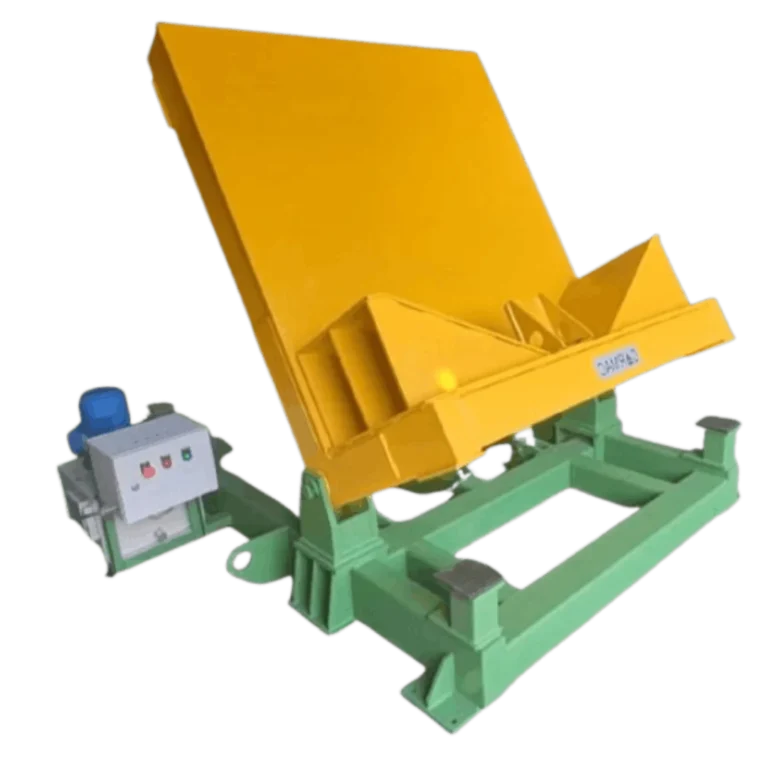



Handling heavy steel coils manually is slow, inefficient, labour-intensive, and unsafe. A CARMAC Steel Coil Tilter rotates coils between vertical and horizontal positions for smooth loading and transfer, so the uncoiler loads correctly every time.
Capacity is only one of the factors. Coil dimensions, plant layout, operating method, safety, and future production needs matter too.
What Is a Coil Tilter?
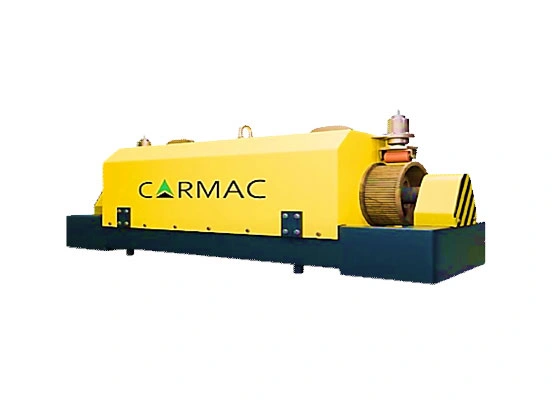
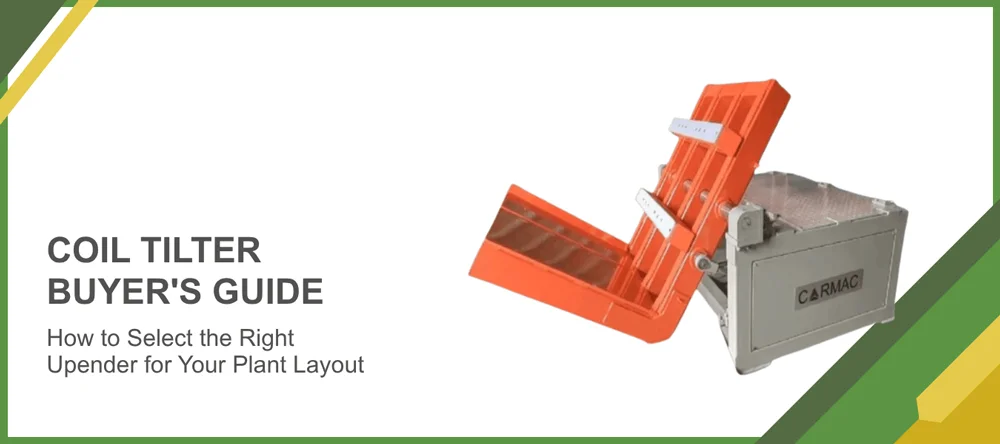
A coil tilter, also called an upender, is a material-handling machine used to change the orientation of heavy coils or fabricated parts.
For example, a steel coil may arrive with its bore in a vertical position. The tilter can rotate it to a horizontal bore position, making it easier and safer to load onto an uncoiler.
CARMAC’s Coil Tilter / Upender is designed for exactly this application. As a top Material Handling Equipment Manufacturer in India, CARMAC builds it for controlled, stable rotation.
It holds the load at different points during the turn instead of allowing sudden movement.
Why Is Choosing the Right Coil Tilter Important?
An undersized tilter creates safety and performance problems. An oversized one wastes money and floor space. Choose one that fits your load and your process.
|
Factor |
What to Check |
What CARMAC TILTomac Offers |
|
Coil weight |
Size for your maximum regular load, not the average. Note the maximum, typical, and minimum weights. |
Standard 5-ton model, can be manufactured for the required tonnage |
|
Drive type |
Electric for a simple, controlled system with a suitable power supply. Hydraulic if it suits your existing equipment and handling needs. |
Electric and hydraulic versions |
|
Tilting angle |
The angle your process needs. |
Full 90° tilt, vertical bore to horizontal |
|
Floor space |
A larger machine is not always better. Check floor area, forklift access, distance from the uncoiler, operator area, maintenance access, and overhead clearance. |
Small footprint, stable base, compact workplace design |
|
Safety |
Features that prevent accidental movement and give operators control. Add guarding or limit switches if needed. Assess the full process from pickup to placement. |
Delayed start switch, audio-visual warning horn, motion bleeper, deadman’s switch, separate operator controls, forklift slots |
|
Load support |
How the load stays stable during rotation. Sudden speed changes can affect stability and safety. |
Round cradle with welded steel frame, machined rollers, geared drive for controlled speed, sealed bearings that reduce wear and extend machine life, predictable turning cycle |
|
Future needs |
Whether the tilter can handle heavier coils, new sizes, or fabricated parts over the next 5–10 years. |
Customisation for future requirements |
What to Share With and Ask Your Coil Tilter Manufacturer
To get an accurate recommendation and quote, share:
- Load: Maximum and average coil weight
- Coil size: Outside diameter, width, bore
- Orientation: Current and required coil position
- Usage: Tilting cycles per day
- Power: Electrical or hydraulic supply available
- Layout: Floor space and distance from connected equipment
- Handling: Forklift, crane, or other loading method
- Safety: Required guards, warnings, limit switches, controls
When comparing tilters, ask:
- How does this design compare with other machines?
- What is the maintenance schedule for bearings and rollers?
- How does the machine handle overload situations?
- What is the warranty on the drive system?
These points shape how safely your team works, how long the machine lasts, and how smoothly production runs.
Complement Your Coil Tilter With Other Welding Equipment
Once coils are tilted and loaded, they move into fabrication. Depending on your workflow, you may also need:
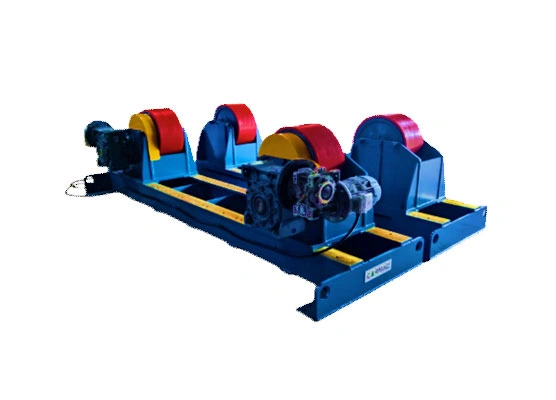
- Welding Rotators for turning completed weldments
- Self-Centering Rotators for automatic alignment
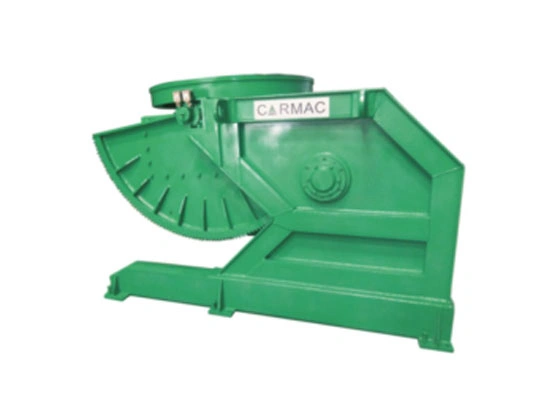
- Welding Positioners for precise angles
- Headstock and Tailstock Positioners for longer components
CARMAC supplies the full range to build your complete production line.
Conclusion
A well-selected Steel Coil Tilter makes coil handling safer, smoother, and easier while reducing manual handling. CARMAC’s TILTomac range delivers the safety, durability, and performance your plant needs. With a standard 5-ton capacity and customisation options, you can match the machine to your exact requirements.
Frequently Ask Questions
Direct manufacturers engineer custom load capacities, dimensions, and safety features tailored to your line, ensuring seamless integration for both hydraulic and electric coil tilters.
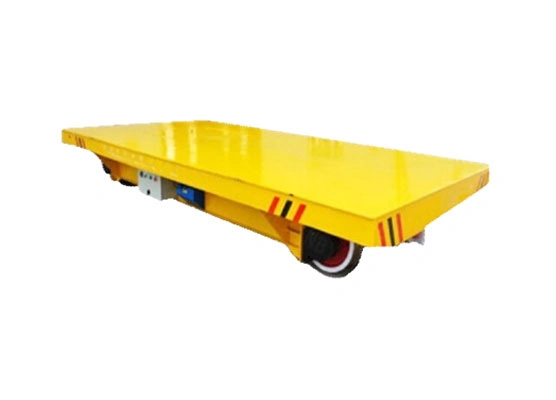
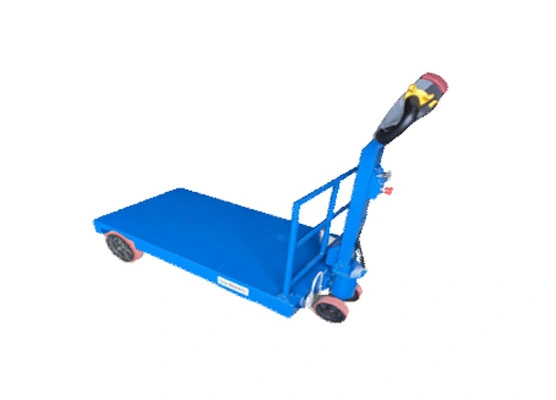
Use an Electric Rail Transfer Trolley for fixed routes or a Battery Operated Electric Tow Tug for flexible, heavy-duty coil transport across your shop floor.
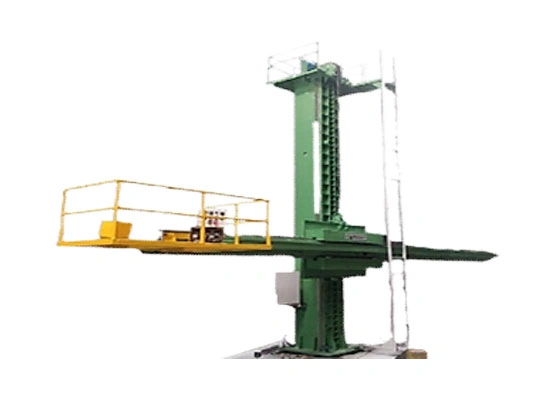
Downstream fabrication relies on welding rotators, column and booms, self-centering rotators, and wire feeder balancer arms for precise positioning and clean cable management.
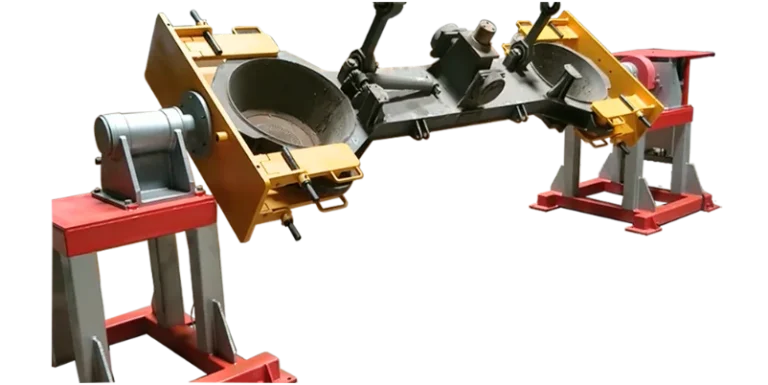
No, coil tilters are built strictly for cylindrical coils; flipping heavy structural frames or railway components requires a dedicated Turnover Device, bogie manipulators, or turntables.
Utilize heavy-duty welding positioners-or headstock and tailstock positioners for extra-long components-to safely rotate workpieces for optimal downhand welding without overhead cranes.