


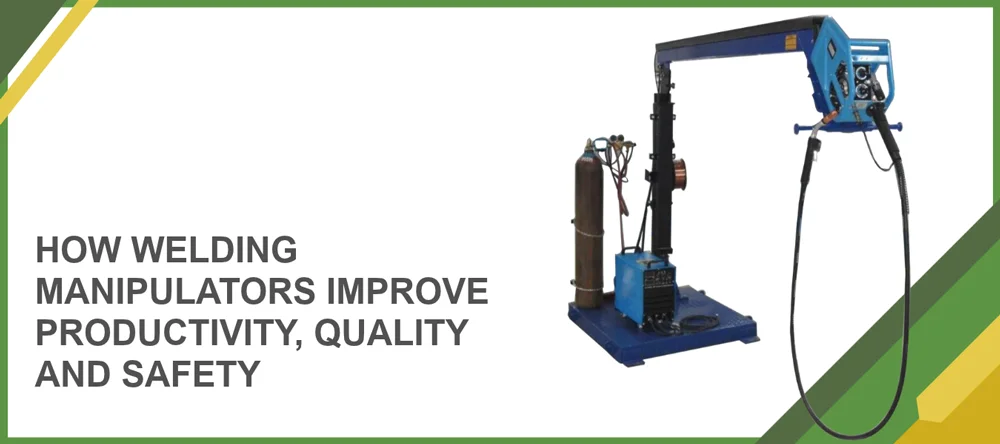
Welding large or heavy parts by hand takes time, effort, and a lot of skill. This is where welding manipulation helps.
It does more than speed up fabrication. It helps manufacturers get more consistent welds and reduce manual handling. It also makes better use of skilled welders and handles demanding welding jobs more easily.
But the right equipment is different for every shop. It depends on your workpiece, welding process, production needs, and shop-floor conditions. An experienced welding manipulator manufacturer in India can help you choose equipment that fits these needs.
In this blog, we look at what welding manipulation offers and how to choose the right setup for your plant.
Why Consider Welding Automation?
In manual welding, time can be lost in :
- repositioning components
- adjusting the torch
- handling heavy parts
- correcting inconsistent welds.
Suitable welding manipulation equipment helps control movement and positioning, allowing operators to focus on process monitoring and weld quality.
The right solution can help fabrication teams:
- Reduce repeated manual positioning and handling.
- Improve access to welding joints and maintain a suitable welding position.
- Achieve more consistent torch travel and workpiece rotation.
- Reduce avoidable rework caused by inconsistent welding conditions.
- Improve workflow and make better use of available skilled personnel.
- Support safer, more ergonomic handling of heavy or awkward components.
Welding Equipment That Supports Better Results
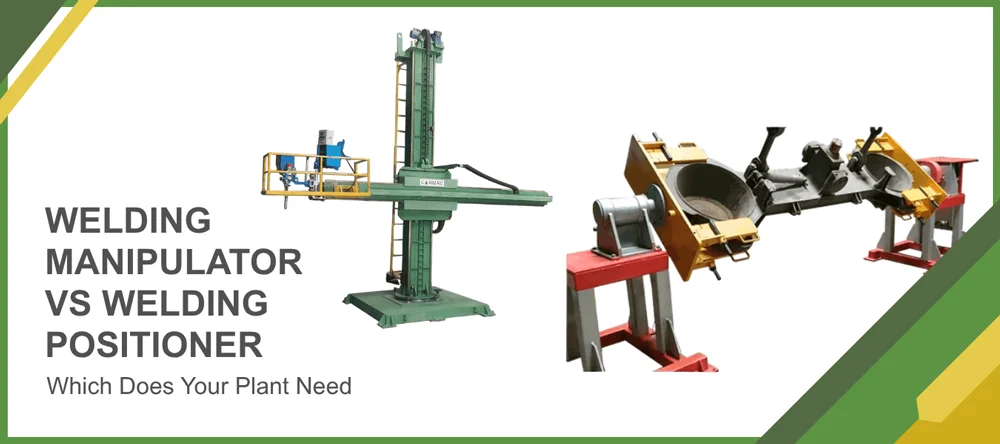
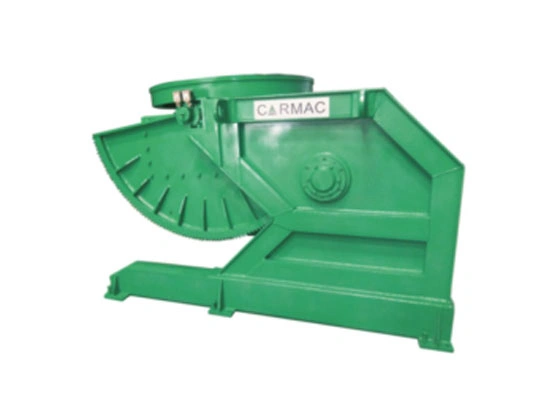
1. Welding Positioner
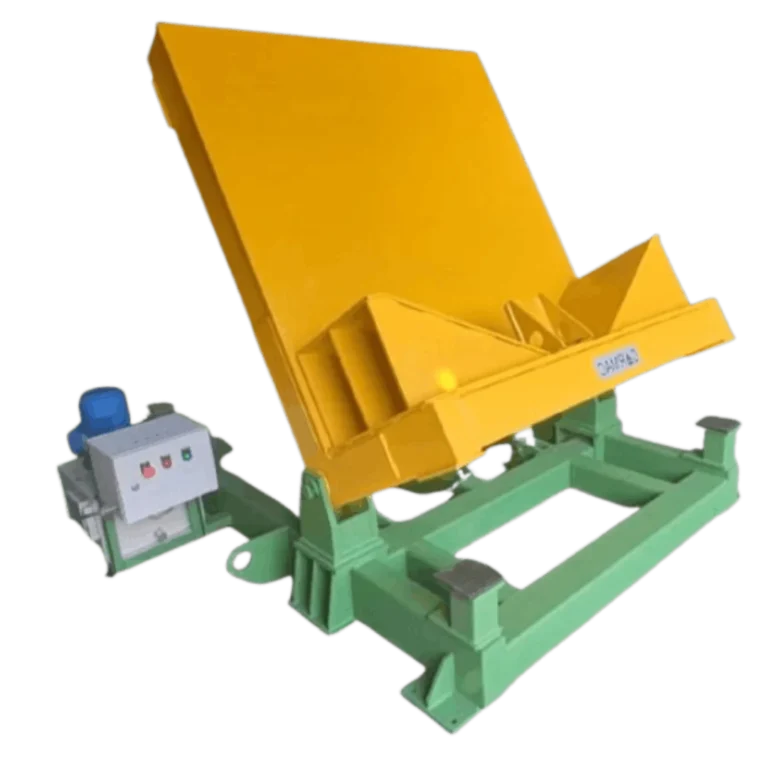
A welding positioner rotates a workpiece and, depending on the design, tilts it too. This brings the joint into a more suitable position for welding.
It is useful for:
- Circular components
- Fabricated assemblies
- Pipes
- Pressure vessels
- Tanks and similar applications
Controlled positioning can:
- Improve accessibility
- Reduce awkward working postures
- Support more consistent weld quality
Explore CARMAC welding positioners: https://carmac.co.in/welding-positioner/
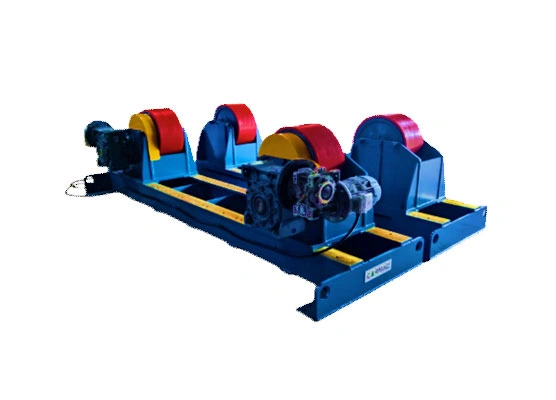
2. Welding Rotators
Welding rotators support and rotate cylindrical workpieces such as:
- Tanks
- Vessels
- Pipes
When matched to the component and welding process, they:
- Maintain controlled rotation while the welder or welding system works along the joint
- Reduce the need for repeated manual repositioning
As a welding rotator manufacturer in India, CARMAC offers rotators that can be selected to suit the workpiece and application.
Explore CARMAC’s product range: https://carmac.co.in/
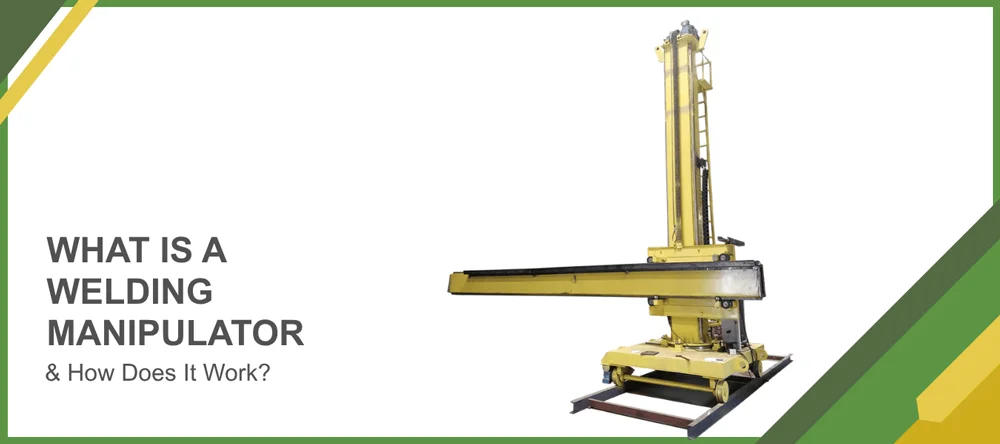
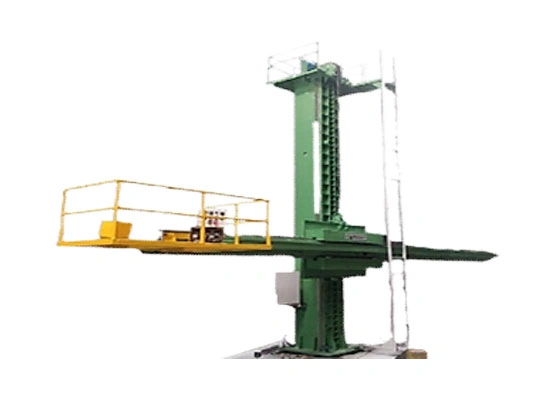
3. Welding Column and Boom Systems
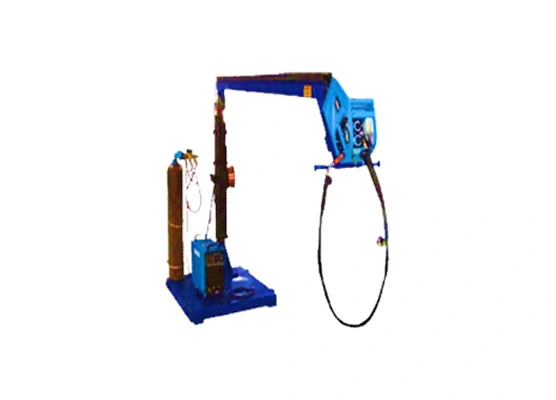
A welding column and boom system positions the welding head along:
- Long seams
- Circumferential joints
Depending on the configuration, it can be used with suitable welding processes, including submerged arc welding (SAW).
When paired with a compatible rotator, the system can coordinate torch travel with workpiece rotation for demanding fabrication tasks.
Learn more about CARMAC welding manipulators: https://carmac.co.in/
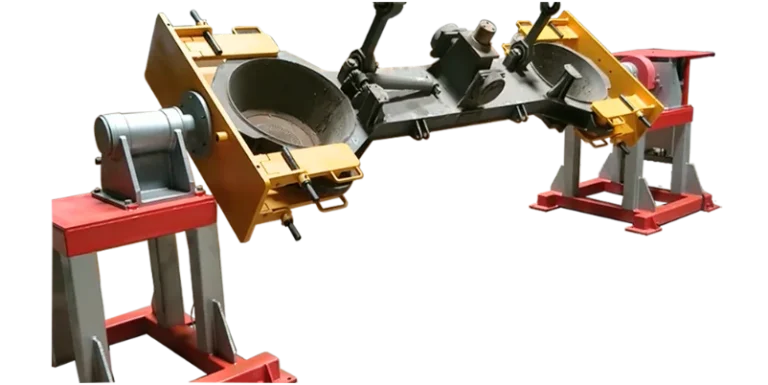
4. Head-and-Tailstock Welding Manipulators
Head-and-tailstock manipulators hold and rotate long or heavy workpieces between supporting ends. They can help provide access to different weld joints while reducing repeated manual handling. The appropriate arrangement depends on workpiece weight, dimensions, centre of gravity, and the required operation.
How to Choose the Right Equipment
Before selecting a welding manipulation solution, review the application and production requirements. Important points include:
- Workpiece weight, length, diameter, and centre of gravity.
- Type and location of weld joints, including longitudinal and circumferential seams.
- Welding process and required travel or rotation speed.
- Required positioning, tilting range, clamping, and fixture arrangement.
- Available shop-floor space and integration with existing equipment.
- Operator access, safety provisions, maintenance, and service requirements.
Select a solution based on the actual job and operating conditions. Sharing application details and component drawings helps the equipment supplier recommend a suitable configuration.
The Importance of Safety and Consistent Operation
Welding manipulation can reduce the need for workers to repeatedly handle or reposition heavy components. It may also help avoid awkward working postures.
However to get these safety benefits, the equipment must be correctly selected, installed, guarded, operated, and maintained. Operators should also be trained on the specific machine, including its controls, load limits, and safe handling procedures.
CARMAC: Welding Manipulator Manufacturer in India
CARMAC Technologies Pvt. Ltd. designs and manufactures welding manipulators and material-handling systems for industrial applications.
Its welding equipment range includes welding positioners, welding rotators, column-and-boom systems, and head-and-tailstock manipulators. Each one is selected and configured to match your workpiece, welding process, and production needs.
Visit the CARMAC website to explore products and applications: https://carmac.co.in/
Conclusion
Welding manipulation helps manufacturers:
- Improve workflow
- Achieve more consistent welds
- Make the work easier on operators
- Handle heavy or complex components more easily
For the best results, start by identifying the specific challenges on your shop floor. Then select equipment that suits your workpiece and welding process. CARMAC’s welding manipulation range offers options for a wide variety of fabrication requirements.
To discuss your application or explore the range, visit carmac.co.in and contact CARMAC Technologies Pvt. Ltd.
Frequently Asked Questions
Welding manipulation uses equipment to control tasks such as workpiece positioning, rotation, or torch movement, helping make welding operations more consistent and efficient.
Welding rotators are commonly used to rotate cylindrical components. The appropriate model depends on the workpiece dimensions, weight, and application.
A welding positioner is useful when a component needs controlled rotation or tilting to improve access to the weld joint and reduce repeated manual repositioning.
It supports and moves the welding head along long seams or circumferential joints, and can be integrated with compatible equipment for suitable applications.
Consider the component dimensions and weight, weld-joint layout, welding process, required movement, shop-floor space, and safety requirements. Discussing drawings and application details with the supplier can help determine the right configuration.
They can range from semi-automatic (where an operator uses a pendant to guide the boom manually) to fully automated (integrated with PLCs, laser seam trackers, and cameras for autonomous welding).
Yes. They can be integrated with almost any automated welding system, including Submerged Arc Welding (SAW), Gas Metal Arc Welding (GMAW/MIG), Gas Tungsten Arc Welding (GTAW/TIG), and Plasma Arc Welding (PAW).
A manipulator moves the welding torch over a stationary or rotating part. A positioner rotates or tilts the workpiece itself to present the joint to the welder or torch. They are frequently used together.
Manipulators are sized by their maximum reach. You must measure the maximum vertical height and maximum horizontal stroke required to reach the furthest seams on your largest workpieces.
References
- Bureau of Indian Standards (BIS) – Guidelines on machinery safety, guarding, and industrial equipment design standards.
- The Indian Institute of Welding (IIW-India) – Technical best practices, welding process benchmarks, and automated welding guidelines.
- National Safety Council of India (NSC) – Occupational safety frameworks, ergonomics, and industrial material handling guidelines.